Walk-In Closet Guide: Benefits, Design Ideas and Tips

A well-designed walk-in closet can transform the way you organize clothing, shoes, accessories, and everyday essentials. More than simply a storage area, a walk-in closet can provide a dedicated space for getting dressed, organizing belongings, and keeping the bedroom free from clutter. With thoughtful planning, even a modestly sized area can become a practical and attractive part of the home.
Whether you are designing a walk-in closet from scratch or converting an existing room or unused area, understanding the key benefits, design options, and organization strategies can help you create a space that works for your lifestyle.
What Is a Walk-In Closet?
A walk-in closet is a dedicated storage area that is large enough for a person to enter. Unlike traditional wardrobes, walk-in closets can provide significantly more storage and allow homeowners to customize the layout according to their needs.
Reach-in closet offer practical benefits by maximizing storage space, keeping clothing organized, improving accessibility, reducing clutter, and making bedrooms more functional, attractive, and easier to maintain.
Depending on the available space, a walk-in closet may include:
- Hanging rails
- Shelving
- Drawers
- Shoe racks
- Accessory organizers
- Mirrors
- Seating
- Lighting
- Storage cabinets
- Dressing areas
The layout can be customized to accommodate different types of clothing and personal belongings.
Benefits of a Walk-In Closet
There are many reasons homeowners choose walk-in closets when planning or renovating their bedrooms.
More Storage Space
One of the biggest advantages is increased storage capacity. A walk-in closet can use multiple walls and vertical space, providing considerably more room than a conventional wardrobe.
Floor-to-ceiling shelving can be used to store items that are not needed every day, while frequently used clothing can remain within easy reach.
Better Organization
A walk-in closet gives every item a designated location. Instead of storing clothes in multiple wardrobes or drawers throughout the home, everything can be arranged in one convenient space.
You can create separate areas for:
- Everyday clothing
- Formal wear
- Shoes
- Accessories
- Seasonal items
- Luggage
Better organization makes it easier to find what you need and reduces daily clutter.
Easier Access
A well-planned walk-in closet allows you to see your belongings clearly. Open shelving and properly arranged hanging sections reduce the need to search through crowded drawers or wardrobes.
This can make choosing an outfit faster and more convenient.
Increased Privacy
A dedicated dressing and storage area provides additional privacy. You can keep clothing and personal belongings out of the main bedroom while using the closet as a separate preparation area.
Potential Property Appeal
A stylish and functional walk-in closet can be an attractive feature for prospective homeowners. While the value added depends on the property and market, well-designed storage can contribute to the overall appeal and functionality of a home.
Choosing the Right Walk-In Closet Layout
The layout should be based on the size and shape of the available space.
Single-Sided Layout
A single-sided design places storage along one wall. This works well in narrow spaces and smaller rooms.
Double-Sided Layout
Storage is installed on opposite walls, creating a central walkway. This layout provides significantly more storage while maintaining easy access.
U-Shaped Layout
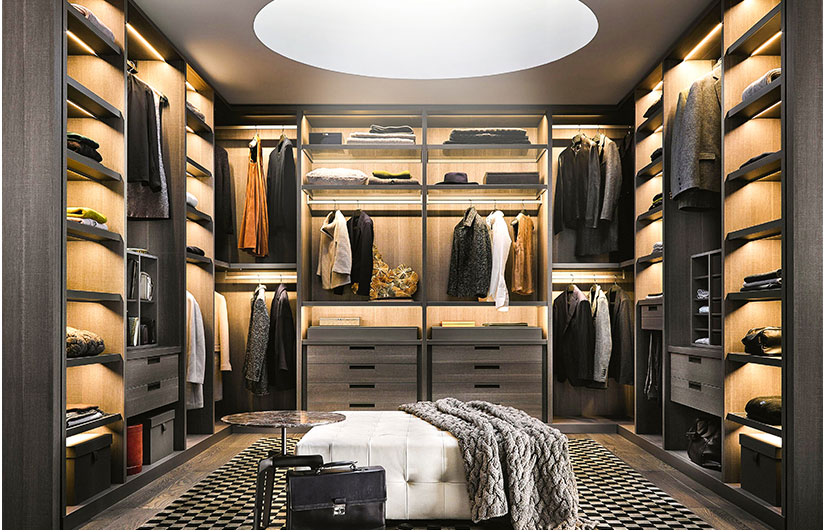
A U-shaped closet uses three walls for storage and can provide excellent capacity. It is particularly suitable for larger spaces.
Island Layout
If the closet is spacious enough, a central island can provide additional drawers and a useful surface for accessories.
An island can also become a visual focal point in a luxury walk-in closet.
Planning Hanging Space
Hanging space is one of the most important elements of a walk-in closet.
Consider creating separate sections for:
- Shirts
- Blouses
- Dresses
- Suits
- Jackets
- Trousers
Double hanging rails can maximize vertical space for shorter garments.
Longer hanging sections should be reserved for dresses, coats, and other full-length clothing.
Adding Shelving and Drawers
Shelves are useful for folded clothing, bags, towels, and other belongings.
Adjustable shelving provides greater flexibility because shelves can be repositioned as storage needs change.
Drawers are ideal for smaller items such as:
- Socks
- Underwear
- Belts
- Watches
- Jewelry
- Scarves
Soft-close drawer systems provide smooth and quiet operation.
Dedicated Shoe Storage
Shoes can quickly take up valuable floor space if they are not properly organized.
Consider installing:
- Open shoe shelves
- Slanted shoe racks
- Pull-out shoe drawers
- Tall footwear compartments
Keeping shoes organized makes it easier to locate specific pairs while protecting them from damage.
Lighting for a Walk-In Closet
Good lighting is essential.
A combination of general, task, and accent lighting can create a functional and attractive environment.
Options include:
- Ceiling lights
- LED strip lighting
- Recessed lights
- Under-shelf lighting
- Motion-activated lights
Motion-sensitive lighting is particularly convenient because it automatically illuminates the space when someone enters.
Natural light can also be beneficial where available, although direct sunlight should be managed carefully to prevent potential fading of fabrics.
Adding a Full-Length Mirror
A full-length mirror is a practical addition to almost any walk-in closet. It allows you to check outfits without leaving the dressing area.
Mirrors can also reflect light and make the closet appear larger.
A wall-mounted mirror is ideal for compact spaces, while larger closets may accommodate a freestanding design.
Seating and Dressing Areas
If space allows, consider adding a small bench or ottoman.
Seating provides a convenient place to:
- Put on shoes
- Fold clothing
- Prepare outfits
- Organize accessories
A storage bench can provide additional space for blankets, bags, or seasonal items.
Choosing Materials and Colors
The materials and colors you select influence the overall appearance of the closet.
Popular choices include:
- Natural wood
- Wood-effect panels
- Matte finishes
- Glass
- Mirrored surfaces
- Neutral colors
Light colors can make smaller closets feel brighter and more spacious, while darker finishes can create a sophisticated appearance in larger rooms.
Making a Small Walk-In Closet Work
You do not need a huge room to benefit from a walk-in closet.
For smaller spaces:
- Use vertical storage.
- Choose shallow shelving.
- Install sliding or pocket doors.
- Use corner areas effectively.
- Add integrated lighting.
- Keep frequently used items accessible.
- Use adjustable storage systems.
Every available area can contribute to storage when the design is carefully planned.
Keeping Your Closet Organized
Even a well-designed closet can become cluttered without regular maintenance.
Useful habits include:
- Decluttering regularly.
- Donating unwanted clothing.
- Grouping similar items.
- Rotating seasonal clothing.
- Keeping accessories in dedicated organizers.
- Returning items to their assigned locations.
A few minutes of organization each week can prevent clutter from building up.
Conclusion
A walk-in closet offers a combination of convenience, organization, storage capacity, and style. From increased hanging space and dedicated shoe storage to integrated lighting and customized shelving, the possibilities are extensive.
The key to creating a successful walk-in closet is thoughtful planning. Consider your available space, lifestyle, storage requirements, and preferred design before choosing a layout. Whether you create a compact single-wall closet or a spacious U-shaped dressing room, smart organization can help you make the most of every available inch.
With the right design, a walk-in closet can become more than a storage area. It can be a practical, attractive, and highly personalized part of your home that makes everyday routines easier while creating a cleaner and more organized living environment.